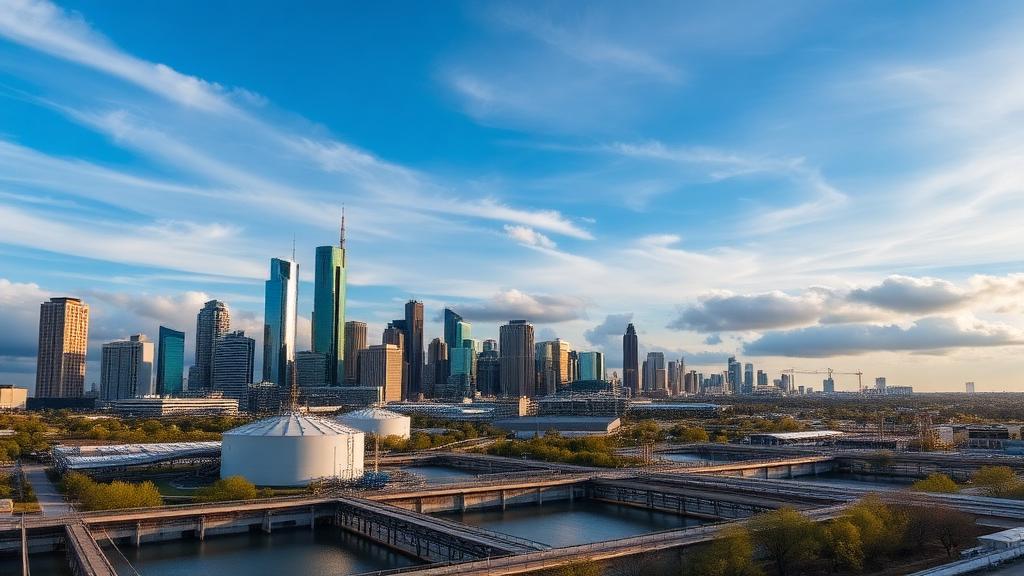
Austin and San Antonio are two of Texas's fastest-growing metros — and their growth is creating unprecedented demand for backflow testing services. Between tech campus expansions in Austin and military/healthcare development in San Antonio, testers who understand both markets can build a substantial Central Texas practice.
Central Texas Market Overview
These two metros, connected by the I-35 corridor, offer complementary market opportunities with distinct characteristics.
Market Comparison
- Austin: Tech industry growth, high commercial construction, environmentally conscious community
- San Antonio: Military, healthcare, tourism — more traditional commercial base with steady demand
- Between markets: New Braunfels, San Marcos, and Kyle are among the fastest-growing cities in the U.S.
Austin Requirements
Austin Water Utility manages an active cross-connection control program with strict enforcement.
- Authority: Austin Water Utility — Cross Connection Control Division
- Submission: Online portal (preferred) or email
- Deadline: Within 10 days of test completion
- Testing frequency: Annual for all devices
- Enforcement: Active enforcement with water shutoff for extended non-compliance
- Notes: Austin sends reminder notices and follows up aggressively
Austin Market Opportunities
Austin's tech campus boom means large commercial properties with complex water systems. The city's environmental regulations are among the strictest in Texas, creating higher compliance awareness and willingness to pay for quality service.
San Antonio Requirements
San Antonio Water System (SAWS) is the largest water utility in the region.
- Authority: San Antonio Water System (SAWS)
- Submission: Online portal at SAWS website
- Deadline: Within 14 days of testing
- Testing frequency: Annual
- Enforcement: Tiered notification system with escalating consequences
- Notes: SAWS sends reminder notices 90 days before due date — creates pre-scheduling opportunity
San Antonio Market Opportunities
Joint Base San Antonio (Lackland, Randolph, Fort Sam Houston) drives significant government contracting. The tourism sector (River Walk, convention center) provides hotel and hospitality testing demand. Healthcare (UTHSC, Methodist, Baptist) creates high-hazard testing opportunities.
Surrounding Areas
The I-35 corridor suburbs are growing faster than either metro and present less competitive markets.
Key Suburbs
- Round Rock: Uses own water utility, online submission — major retail and tech presence
- Cedar Park: Online portal required — rapid residential and commercial growth
- New Braunfels: Between Austin/SA, own utility requirements — tourism and residential growth
- San Marcos: University town with growing commercial base — email submission accepted
- Kyle/Buda: Explosive residential growth along I-35 — many new installations
Regional Considerations
Working Central Texas efficiently requires understanding local conditions and market dynamics.
Operational Tips
- Growth = new installations: Construction boom means many initial device tests, not just annuals
- Summer scheduling: 100°F+ heat makes early morning testing essential (6–10 AM)
- I-35 corridor: 75-minute drive between Austin and SA makes day trips feasible
- Tech industry clients: Complex commercial water systems, data center cooling, high expectations
For statewide context, see our North Dallas guide and Corpus Christi guide.
Conclusion
Austin and San Antonio together offer one of the strongest backflow testing markets in Texas. Their different economic drivers — tech vs. military/healthcare — provide market diversification, and the I-35 corridor suburbs offer high-growth opportunities with less competition.
Frequently Asked Questions
Can I serve both Austin and San Antonio from one location?
Yes — many testers based along the I-35 corridor (New Braunfels, San Marcos, Kyle) serve both markets. Dedicate specific days to each city for route efficiency. The 75-minute drive is manageable for occasional cross-market trips, and the suburbs between offer testing opportunities along the way.
Which city has more testing demand?
San Antonio is the larger city by population and has more established commercial infrastructure. Austin is growing faster and has higher-value commercial properties (tech campuses). Both markets can support multiple full-time testers. Most Central Texas testers report strong demand in both.
Are Austin's environmental regulations harder to comply with?
Austin's environmental awareness means stricter enforcement and higher compliance expectations, but the testing standards themselves are similar statewide under TCEQ regulations. The main difference is that Austin follows up more aggressively on non-compliance and provides better data on devices requiring testing.