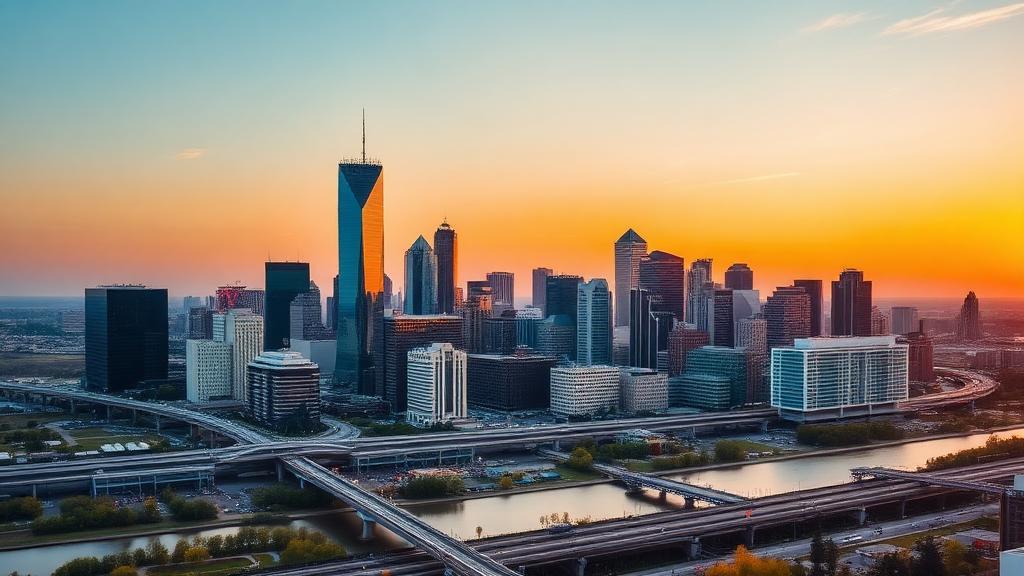
El Paso sits at the western tip of Texas, where desert heat, hard water, and rapid growth create unique conditions for backflow testing. As one of the largest cities on the U.S.-Mexico border, El Paso offers strong testing demand from military installations, manufacturing, healthcare, and growing commercial development.
El Paso Overview
El Paso's desert environment and border location create conditions that affect device maintenance and testing schedules in ways that are distinct from other Texas markets.
Market Characteristics
Fort Bliss — one of the largest military installations in the U.S. — anchors the local economy alongside manufacturing, healthcare, and a growing tech sector. Each sector requires extensive backflow protection and regular testing.
City Requirements
EP Water Utilities manages the cross-connection control program for the city.
- Authority: EP Water Utilities
- Submission: Online portal preferred
- Deadline: Within 10 days of test completion
- Form: EP Water-specific form required
- Enforcement: Warning notices, fines, and eventual water shutoff for non-compliance
Desert Climate Considerations
Working in West Texas requires understanding how extreme conditions affect backflow devices.
Environmental Factors
- Extreme heat: Summer temperatures exceeding 100°F accelerate O-ring and seal degradation
- Hard water: El Paso's water causes significant mineral buildup inside device bodies
- UV exposure: Direct sun degrades rubber components and exterior coatings faster
- Temperature swings: 40°F+ daily temperature variations stress materials
Maintenance Recommendations
Recommend clients install UV-protective enclosures, schedule more frequent seal inspections, and budget for earlier component replacement. Hard water buildup may require periodic flushing of devices to maintain performance.
Key Industries
Major testing markets in El Paso provide diverse, year-round work.
Primary Market Segments
- Military installations: Fort Bliss and associated facilities — large contracts with strict compliance
- Manufacturing: Maquiladora-related industry with process water systems
- Healthcare facilities: Multiple hospitals and medical centers with complex water needs
- Commercial real estate: Growing retail and office development
- Hospitality: Hotels and restaurants serving border tourism
Regional Coverage
Expand your service area to nearby communities, including cross-state opportunities.
Surrounding Communities
- Las Cruces, NM: Different state requirements — need New Mexico certification
- Horizon City: Growing residential community east of El Paso
- Socorro: Lower valley community with agricultural connections
- Anthony (TX/NM border): Straddles state line — know both jurisdictions
For other Texas markets, see our North Dallas guide and Austin/San Antonio guide.
Conclusion
El Paso's unique desert environment and border economy create strong, year-round demand for backflow testing. Understanding the climate's impact on devices, building relationships with military and manufacturing clients, and potentially expanding into New Mexico position you for success in this underserved market.
Frequently Asked Questions
Can I work in both El Paso and Las Cruces with one license?
No. Texas (TCEQ) and New Mexico have separate certification requirements. You'll need a New Mexico backflow tester certification to work in Las Cruces and surrounding NM communities. Some testers maintain both for the expanded market opportunity.
How does El Paso's hard water affect testing?
Mineral buildup from hard water can cause false failures by restricting valve movement and blocking ports. If you encounter a device with heavy scale, note it in your report and recommend maintenance. Some testers carry descaling solution for minor blockages.
What's the testing demand like year-round in El Paso?
El Paso's mild winters mean testing is viable year-round, unlike northern markets. Summer heat may push testing to early morning hours, but there's no true "off season." This makes El Paso attractive for testers seeking consistent income without the seasonal boom-bust cycle.