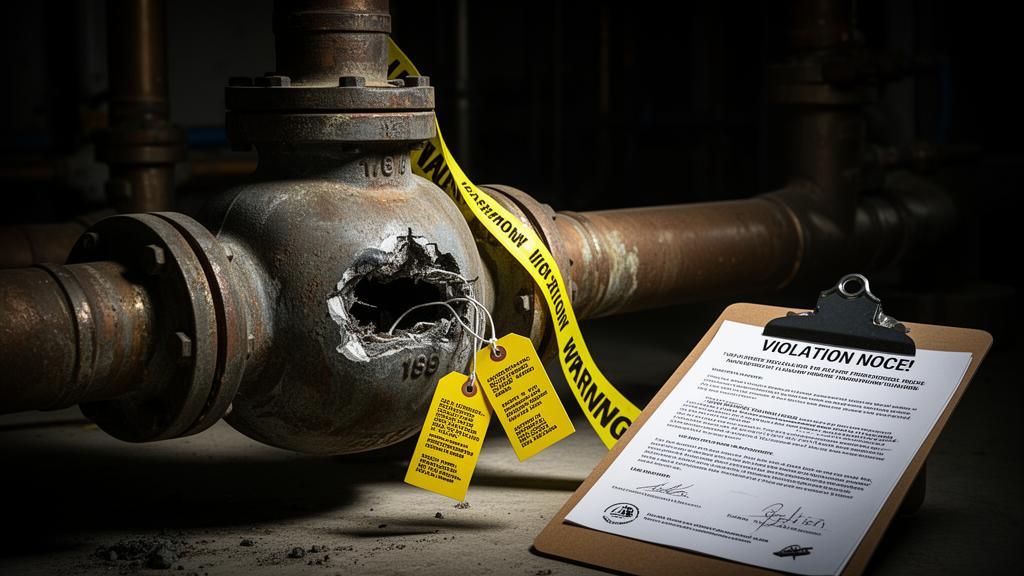
You arrive at a job site, open the valve box, and something looks wrong. The relief valve has been plugged. The test cocks are missing. Someone has bypassed the device entirely with a jumper pipe. Device tampering is more common than most testers realize — and how you handle it determines whether you're protected or exposed.
Common Types of Tampering
Tampering ranges from ignorant DIY modifications to deliberate circumvention. Recognizing what you're looking at is the first step.
Frequently Encountered Modifications
- Relief valve plugging: Property owners plug the relief valve discharge to stop water from draining, not realizing this defeats the device's purpose
- Bypass installations: A pipe installed around the device to restore full flow when the device restricts pressure — completely eliminates protection
- Missing test cocks: Removed and capped to prevent leaking, making the device untestable
- Check valve removal: Internal components removed to reduce pressure drop — rare but extremely dangerous
- Unauthorized repairs: Non-certified individuals replacing internals with incorrect parts
Why Tampering Happens
Most tampering isn't malicious. Property owners or maintenance staff modify devices because they don't understand the consequences. Common motivations include stopping a "leaking" relief valve (which may actually be functioning correctly), restoring water pressure reduced by a properly functioning RPZ, or attempting repairs without calling a certified tester.
Your Legal Obligations
As a certified backflow tester, you have specific obligations when you discover tampering. These vary by jurisdiction but follow general principles.
Reporting Requirements
- Do not test a tampered device: A test on a compromised device produces meaningless results and could create false compliance records
- Document everything: Photograph the tampering from multiple angles before touching anything. Note the date, time, address, and what you observed
- Notify the water utility: Most jurisdictions require you to report tampering to the water purveyor. This is not optional — failing to report can affect your certification
- Notify the property owner: Explain what you found, why it's a problem, and what needs to happen next. Put it in writing
What NOT to Do
- Do not "fix it and test it" without proper authorization and documentation
- Do not ignore tampering and submit a pass or fail result as if the device were intact
- Do not remove evidence of tampering before documenting it
- Do not accuse anyone — document facts, not assumptions about who did it
Protecting Yourself from Liability
Tampering discovery creates liability exposure. If you test a tampered device and sign off on it, you share responsibility for any contamination event that follows.
Documentation Best Practices
- Take timestamped photographs showing the tampering clearly
- Write a detailed narrative in your report notes describing what you observed
- Mark the report as "Unable to Test — Device Compromised" rather than pass or fail
- Keep copies of all notifications sent to the utility and property owner
- If the property owner refuses to authorize repairs, document the refusal in writing
Insurance Considerations
Your professional liability insurance typically covers you when you follow proper procedures. It does not cover you if you knowingly test a compromised device and submit false results. When in doubt, consult your insurance carrier about their specific requirements for tampering situations.
For more on protecting your business, see our insurance and liability guide.
The Repair and Retest Process
Once tampering is documented and reported, the device must be restored to its original configuration before testing.
Proper Restoration Steps
- Only a certified tester or licensed plumber should perform restorative work
- Replace all missing or modified components with manufacturer-approved parts
- Remove any bypass piping and cap or remove the connections
- After restoration, perform a complete test and document that the device has been returned to proper configuration
- Submit both the tampering report and the subsequent test report to the water utility
Preventing Future Tampering
Educating property owners is the best prevention. Many tamper because they don't understand the device's function.
Client Education Approaches
- Explain why the relief valve discharges and that it's a safety feature, not a leak
- Provide a laminated information card to attach near the device
- Recommend proper drainage solutions for relief valve discharge instead of plugging
- Offer an annual maintenance agreement that includes pre-test inspections
Conclusion
Discovering tampering is uncomfortable, but handling it correctly protects public health, your certification, and your business. Document thoroughly, report promptly, and never sign off on a compromised device. Your integrity is your most valuable professional asset.
Frequently Asked Questions
Can a property owner be fined for tampering with a backflow device?
Yes. Most municipalities have ordinances that make tampering with a backflow device a violation subject to fines ranging from $250 to $5,000. In extreme cases involving deliberate bypass that leads to contamination, criminal charges are possible.
What if the property owner asks me to just test it anyway?
Decline. Explain that testing a tampered device would produce invalid results and could jeopardize both your certification and their compliance status. Offer to restore the device first, then test — but never submit results on a compromised assembly.
Should I report tampering if the property owner fixes it before I leave?
Yes. Even if the device is restored and passes the test, the tampering should be documented and reported. The utility needs to know that unauthorized modifications were made, and the record protects you if questions arise later.