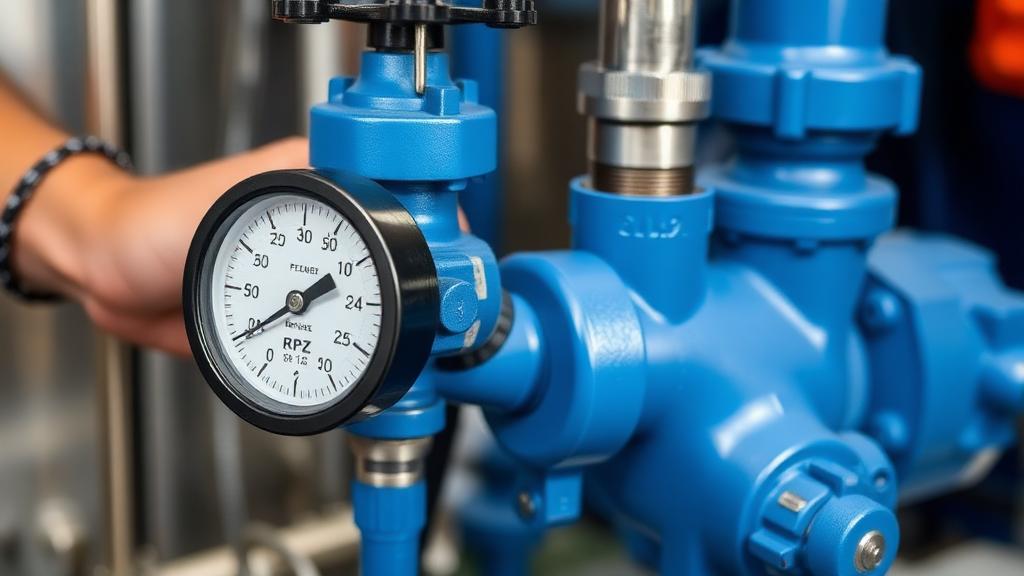
Fire sprinkler systems are one of the most common — and most overlooked — sources of backflow contamination risk in commercial buildings. The stagnant water sitting in these systems for months or years can harbor bacteria, sediment, and in some cases antifreeze compounds. Proper backflow protection and testing is not just a code requirement — it's a public health necessity.
Fire Sprinkler Backflow Requirements
Fire sprinkler systems connect directly to the potable water supply and require backflow protection. The water sitting dormant in these systems poses a contamination risk if backflow occurs during a pressure event.
Why Fire Systems Are High-Risk
Unlike domestic water that flows regularly, fire sprinkler water sits stagnant — sometimes for years. This stagnation leads to bacterial growth, metallic taste and odor, and potential health hazards. When antifreeze solutions are used in areas subject to freezing, the contamination risk becomes even more severe.
Common Device Types
Fire sprinkler systems typically use larger assemblies than domestic or irrigation connections.
Device Selection by Application
- DCVA (Double Check Valve Assembly): Most common for standard wet-pipe fire sprinkler systems without additives
- RPZ (Reduced Pressure Zone): Required when antifreeze or other chemical additives are used in the system
- DCDA (Double Check Detector Assembly): Includes a bypass water meter to detect unauthorized use
- RPDA (Reduced Pressure Detector Assembly): Combines RPZ protection with usage detection metering
Testing Considerations
Fire sprinkler backflow testing has unique logistical and safety aspects that differ from standard testing.
Pre-Test Coordination
- Large pipe sizes (4"–10") require appropriately sized test equipment and adapters
- Building occupants must be notified — fire alarms may activate during testing
- Coordination with fire department or monitoring company may be required to avoid false alarms
- Verify the fire suppression system won't be compromised during testing window
Safety Protocols
Large-diameter fire sprinkler backflow devices can discharge significant water volume during testing. Ensure adequate drainage, have containment plans ready, and never test when the building's fire protection would be compromised without fire watch procedures in place.
Working with Fire Protection Companies
Fire protection companies represent one of the best referral partnerships for backflow testers.
Partnership Opportunities
- Fire protection companies install systems but often don't test backflow devices
- Annual fire inspections and backflow testing schedules align naturally
- Referral relationships benefit both parties and streamline client communication
- Some fire protection companies subcontract backflow testing entirely
For device comparison, see our RPZ vs DCVA guide. These partnerships can help grow your business significantly.
Documentation Requirements
Fire sprinkler backflow reports may need to be distributed to multiple stakeholders.
Report Distribution
- Water utility: Standard compliance requirement for all devices
- Fire marshal: Some jurisdictions require copies for fire code compliance
- Building owner and property manager: For their compliance files
- Insurance company: May request copies during policy renewals
Conclusion
Fire sprinkler backflow testing is a specialized niche that rewards testers with the right equipment, knowledge, and professional relationships. By partnering with fire protection companies and understanding the unique requirements, you can build a profitable specialty within your testing business.
Frequently Asked Questions
Do I need special equipment for fire sprinkler backflow testing?
Yes. Large-diameter devices (4" and above) require larger test hoses, adapters, and sometimes specialized differential pressure gauges. Invest in a kit that accommodates pipe sizes up to 10" if you plan to serve commercial fire systems regularly.
How do I avoid triggering fire alarms during testing?
Coordinate with the building's fire alarm monitoring company to put the system in "test mode" before you begin. Notify building management and occupants in advance. After testing, confirm the system has been returned to normal monitoring status.
Can I test the fire backflow device and the domestic device at the same visit?
Absolutely — and most property managers prefer bundled visits to minimize disruption. Testing multiple devices at one site is more efficient for you and more convenient for the client. Offer package pricing for multi-device properties.