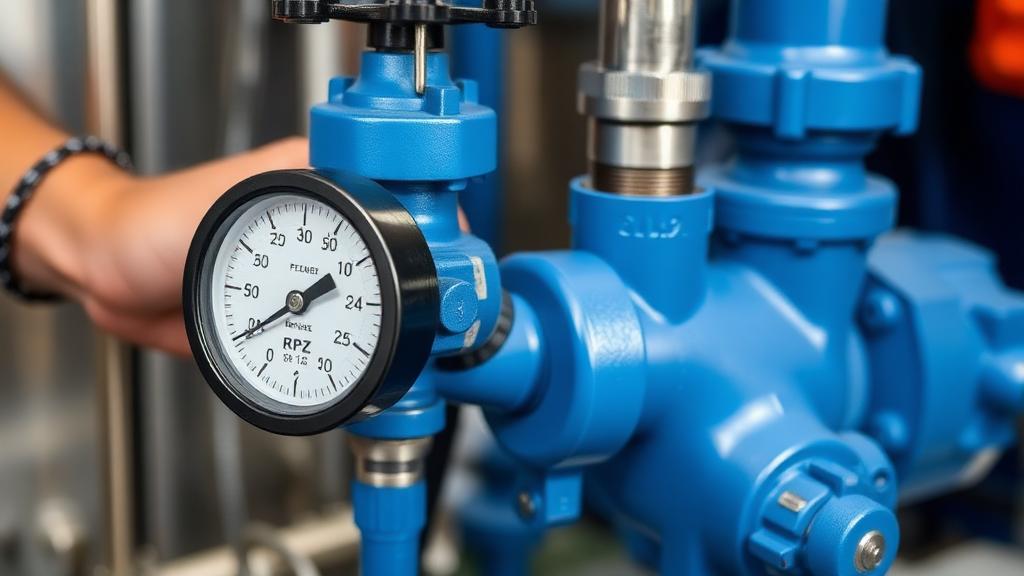
Irrigation systems represent the largest single market segment for backflow testing in most areas. Every commercial landscape, HOA common area, and most residential properties with permanent irrigation require backflow prevention devices and annual testing. Understanding the unique aspects of irrigation backflow testing — from device types to seasonal timing — positions you to capture this high-volume market.
Why Irrigation Systems Need Protection
Irrigation systems can introduce dangerous contaminants into the potable water supply if backflow occurs.
Contamination Sources
- Fertilizers and lawn chemicals applied through fertigation systems
- Pesticides and herbicides from landscape maintenance
- Animal waste and bacteria from soil contact
- Standing water and biofilm from dormant system components
How Contamination Occurs
When a sprinkler head is at a lower elevation than the water supply connection, gravity creates a siphon effect. During a supply pressure drop, contaminated groundwater around the sprinkler head can be pulled directly into the drinking water supply through this cross-connection.
Common Device Types
Several backflow device types serve irrigation applications, each suited to different installation scenarios.
Device Selection Guide
- PVB (Pressure Vacuum Breaker): Most common for residential irrigation — affordable and effective but must be installed 12" above highest downstream point
- SVB (Spill-Resistant Vacuum Breaker): Cold-weather alternative to PVB, reduces water loss during operation
- DCVA (Double Check Valve Assembly): For larger commercial systems or installations where PVB height requirements can't be met
- RPZ (Reduced Pressure Zone): Required when chemical injection (fertigation) is used or when the hazard level is elevated
Installation Requirements
Proper installation is critical for both device function and testability.
Key Installation Standards
- PVBs must be installed 12 inches above the highest downstream sprinkler head
- All devices need accessible test ports with clear working space
- RPZ devices require proper drainage for relief valve discharge
- Protect devices from physical damage, direct sunlight exposure, and freezing
- Install isolation valves for testing without shutting down the entire system
Seasonal Testing Strategies
Irrigation backflow testing follows seasonal patterns that smart testers can leverage for maximum efficiency and revenue.
Spring Startup Testing (March–May)
Peak season for irrigation testing. Schedule early to beat the rush, check for freeze damage before running tests, and coordinate with irrigation startup services for bundled visits. Expect higher failure rates after winter dormancy due to seal degradation and freeze damage.
Summer Maintenance (June–August)
Catch properties that missed spring testing deadlines. Commercial properties with delayed schedules and new installations needing initial testing provide steady summer work. This is also the time for retesting devices that failed in spring and have been repaired.
Fall and Winter Prep (September–February)
Pre-winterization testing creates moderate demand. Advise clients on freeze protection for exposed devices, and use this period to pre-schedule spring appointments. Schedule appointments for the following spring to lock in recurring revenue.
Testing Frequency
Most jurisdictions require annual testing as the minimum standard.
When Testing Is Required
- Annual testing at minimum for all installed devices
- After any repair, modification, or replacement of the device
- New installation testing before the system can be used
- After relocation or re-plumbing of the device
For comprehensive business growth strategies in irrigation testing, see our business guide.
Conclusion
Irrigation backflow testing is a high-volume, seasonal business with strong recurring revenue potential. Master the device types, understand seasonal patterns, and build relationships with landscaping and irrigation companies to dominate this market segment in your area.
Frequently Asked Questions
Do residential irrigation systems need backflow testing?
In most jurisdictions, yes — any permanent irrigation system connected to the potable water supply requires a backflow prevention device and annual testing. Some areas exempt systems under 1" with atmospheric vacuum breakers, but the trend is toward universal testing requirements.
What's the most common irrigation backflow device?
The Pressure Vacuum Breaker (PVB) is the most common device for residential and small commercial irrigation systems. It's affordable, effective, and relatively easy to test. However, it must be installed at least 12 inches above the highest downstream point, which can be limiting in flat landscapes.
How often do irrigation backflow devices fail?
Industry data suggests 10–20% of irrigation backflow devices fail annual testing. Failure rates are higher for devices over 10 years old, those exposed to freezing conditions, and those on systems with chemical injection. Spring failures after winter dormancy are especially common.